How to Check Your Dog's Vital Signs at Home
 Jan Whiffin
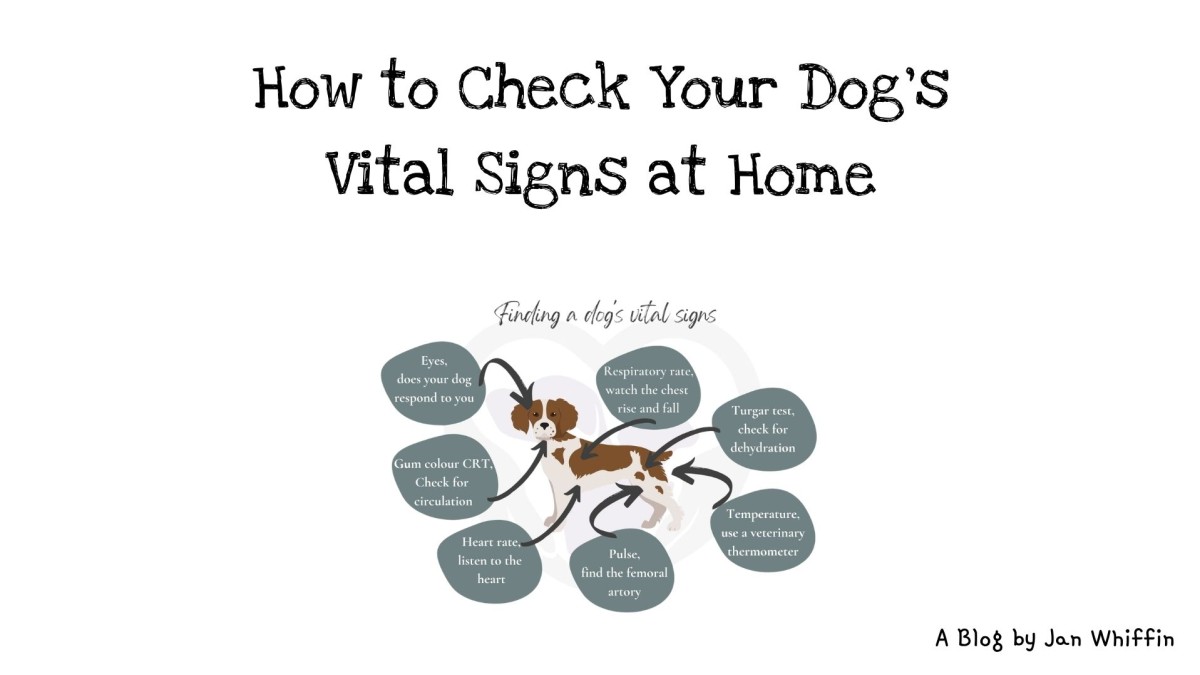
Knowing your dog's normal vital signs i one of the most valuable skills any owner can learn. In an emergency, it can help you recognise a problem soo
How to Check Your Dog's Vital Signs at Home
As dog owners, we know our pets better than anyone. We notice when they're not quite themselves, but would you know if their heart rate, breathing rate, or temperature were abnormal? and relying and your human first age knowledge isn’t enough.
Knowing your dog's normal vital signs is one of the most valuable skills any owner can learn. In an emergency, it can help you recognise a problem sooner, provide important information to your vet, and make informed decisions about whether your dog needs urgent care.
The key is knowing what's normal for your dog before an emergency occurs.
What Are Vital Signs?
Your dog's vital signs are the basic measurements that indicate how well their body is functioning. The three main vital signs are:
- Heart rate (pulse)
- Breathing rate
- Body temperature
Regularly checking these when your dog is healthy will help you establish a baseline, making it easier to spot potential health concerns.
How to Check Your Dog's Heart Rate
The easiest way to find your dog's pulse is by placing your hand on the left side of their chest, just behind the elbow.
You can also feel the femoral pulse on the inside of the back leg, high up in the groin area.
How to Measure It
- Count the beats for 15 seconds.
- Multiply by 4 to get beats per minute.
- Record the result.
What's Normal?
Generally:
- Small dogs: 100 to 160 beats per minute
- Medium dogs: 80 to 120 beats per minute
- Large dogs: 60 to 100 beats per minute

Puppies often have faster heart rates than adult dogs.
Remember, excitement, exercise, stress, and hot weather can temporarily increase heart rate.
How to Check Your Dog's Breathing Rate
Breathing rate should always be measured when your dog is relaxed and resting, ideally asleep.
Watch the chest rise and fall.
One rise and one fall equals one breath.
How to Measure It
- Count the breaths for 30 seconds.
- Multiply by 2 to get breaths per minute.
What's Normal?
A healthy resting dog will typically take:
10 to 30 breaths per minute
If your dog is panting, wait until they have settled before taking a reading.
When to Be Concerned
Contact your vet if your dog shows:
- Rapid breathing while at rest
- Laboured breathing
- Excessive effort using the abdomen to breathe
- Blue, grey, or very pale gums
Breathing issues should always be taken seriously.
How to Check Your Dog's Temperature
Body temperature is best measured using a digital rectal thermometer designed for pets.
While not every owner feels comfortable doing this, it is the most reliable method.
What's Normal?
A healthy dog's temperature is typically:
38.0°C to 39.1°C
Seek Veterinary Advice If:
- Temperature is above 39.5°C
- Temperature is below 37.5°C
- Your dog appears unwell regardless of the reading
High temperatures may indicate infection, inflammation, or heatstroke, while low temperatures can occur with shock, exposure, or serious illness.
Don't Forget the Gum Check
While not technically a vital sign, checking your dog's gums provides valuable information.
Healthy gums should be:
- Salmon pink
- Moist and shiny
Try the capillary refill test:
- Press gently on the gum until it turns white.
- Release.
- Count how quickly the colour returns.
Normal refill time is usually less than 2 seconds.
Delayed refill times may indicate dehydration, shock, or circulation problems.

Create a Health Record for Your Dog
Take a few minutes to record your dog's normal:
- Heart rate
- Breathing rate
- Temperature
- Gum colour and refill time
Keep the information somewhere accessible, such as your phone or pet first aid kit.
Having these records available during an emergency can be incredibly helpful for your veterinary team.
Final Thoughts
Learning your dog's vital signs is a simple skill that takes just a few minutes but could make a huge difference in an emergency.
The best time to check your dog's vital signs isn't when they're ill. It's when they're healthy, happy, and relaxed. That way you'll know exactly what's normal and be able to spot when something isn't quite right.
After all, preparation isn't about expecting emergencies. It's about being ready if one happens.
Categories: : First Aid Tips